BBQ Chicken Skewers: Grilling Tips, Rubs & Smart Substitutions for the Perfect Summer Meal
There’s something undeniably satisfying about a meal cooked on the grill, especially when it’s something you can eat right off a stick. BBQ rubbed chicken skewers have become a quintessential summer dish, celebrated for their ease of preparation, versatility, and mouth-watering flavor. Whether you’re hosting a backyard barbecue or simply enjoying a weeknight dinner al fresco, these savory skewers are guaranteed to be a crowd-pleaser. They combine lean chicken with a symphony of spices, cooked to perfection over an open flame, offering a delightful blend of smoky, savory, and sometimes sweet notes.
The beauty of easy BBQ rubbed chicken skewers lies in their simplicity. With just a few key ingredients and some basic grilling know-how, you can transform humble chicken breasts into an irresistible culinary experience. This guide will walk you through everything you need to know, from preparing your chicken and selecting the ideal rub to mastering grilling techniques and exploring clever substitutions that keep your meals exciting and adaptable.
Mastering the Prep: From Chicken to Skewer Perfection
The foundation of exceptional bbq rubbed chicken skewers begins long before they hit the hot grates. Proper preparation ensures even cooking, maximum flavor, and a hassle-free grilling experience.
Choosing and Preparing Your Chicken
- Boneless, Skinless Chicken Breast: This is the most popular choice for skewers due to its lean nature and ability to readily absorb flavors. The key is to slice the chicken breasts into uniform 1-inch thick pieces. Consistency in thickness is paramount; it ensures every piece cooks at the same rate, preventing some parts from drying out while others remain undercooked.
- Boneless, Skinless Chicken Thighs: For those who prefer a juicier, more forgiving cut, chicken thighs are an excellent alternative. They boast a richer flavor and tend to stay tender even if slightly overcooked. Keep in mind that thighs might require a slightly longer grilling time due to their higher fat content and potentially varied thickness.
Selecting and Preparing Your Skewers
The type of skewer you choose can impact your grilling process:
- Wooden Skewers: These are widely available and budget-friendly. However, they require a crucial preparatory step: soaking. Submerge wooden skewers in water for at least 30 minutes (or even longer) before threading your chicken. This prevents them from burning and splintering on the grill, saving you the hassle of trying to snap off charred ends.
- Metal Skewers: Reusable and durable, metal skewers are a great investment. They don't require soaking and conduct heat well, which can contribute to more even cooking of the meat from the inside out. Just be sure to handle them with oven mitts or tongs, as they will get very hot.
Applying the Rub
Once your chicken is sliced and your skewers are ready, it's time for the rub. A good quality dry rub is what truly defines BBQ rubbed chicken skewers. Lightly coat all sides of your chicken pieces with about 1 tablespoon of your chosen BBQ rub per breast (or roughly 2-3 tablespoons total for two large breasts). Ensure an even application, pressing the rub gently into the meat to help it adhere. Remember, a little goes a long way in delivering big flavor!
The Art of the Rub: Elevating Your BBQ Chicken Skewers
The dry rub is the heart and soul of bbq rubbed chicken skewers, transforming plain chicken into a flavor-packed sensation. It creates a delicious crust, enhances the meat's natural taste, and adds a beautiful color when grilled.
Choosing Your Rub
- Store-Bought Blends: The market offers an incredible array of BBQ rubs, from smoky Carolina-style to sweet and spicy Kansas City blends. Experimenting with different brands and flavor profiles, like Smokey's Carolina Style BBBQ Rub mentioned in our reference, is part of the fun. These convenient options often provide a perfectly balanced flavor profile developed by experts.
- Homemade Dry Rubs: Crafting your own rub allows for ultimate customization, letting you tailor the flavor precisely to your palate. A simple yet effective homemade chicken dry rub can be made by combining pantry staples. Key ingredients often include:
- Paprika (Sweet or Smoked): Adds color and a foundational earthy flavor. Smoked paprika will infuse a deeper, more robust smoky note.
- Garlic Powder: A pungent and aromatic base.
- Onion Powder: Adds a sweet and savory depth.
- Dried Oregano or Thyme: Provides herbaceous undertones.
- Salt and Black Pepper: Essential for seasoning and enhancing all other flavors.
You can mix these spices in equal proportions, or adjust to your preference. For those eager to dive deeper into the world of flavor, explore our detailed guide on Unlock Flavor: Best Dry Rubs for BBQ Chicken Skewers.
The magic of a dry rub lies in how its spices interact with the heat of the grill. As the chicken cooks, the rub forms a flavorful crust, sealing in juices and creating a complex taste profile that is both savory and aromatic.
Grilling to Perfection: Temperature, Time, and Those Coveted Grill Marks
Achieving perfectly cooked, juicy bbq rubbed chicken skewers with enticing grill marks requires attention to detail regarding heat and timing.
Preheating Your Grill
Always start with a clean, preheated grill. Set your grill to a medium-high heat, aiming for around 400°F (200°C). Preheating is crucial because it ensures even heat distribution, prevents sticking, and creates those desirable dark grill marks that enhance both presentation and flavor. When the grates are hot, the chicken sears instantly, locking in juices and developing a flavorful crust.
Preventing Stickiness and Achieving Grill Marks
To avoid your chicken sticking to the grates and to achieve those beautiful char lines:
- Non-Stick Cooking Spray: Lightly spray your preheated grill grates with non-stick cooking spray. This creates a barrier between the metal and the meat.
- Oil and Paper Towel: As an alternative, you can use a folded paper towel dipped in olive oil or vegetable oil. Hold it with tongs and carefully rub it across the hot grill grates. This method also seasons the grates for better non-stick performance.
While grilling on tin foil is sometimes used for easier cleanup, direct contact with the hot, oiled grates is essential for developing those signature dark grill marks and a crispy texture on your BBQ rubbed chicken skewers.
Grilling Time and Doneness
Once your grill is ready, carefully transfer your threaded chicken skewers onto the grates. Close the lid to help maintain temperature and cook evenly. Cook for approximately 8-10 minutes per side, rotating the skewers halfway through to ensure all sides are cooked and beautifully marked.
Crucial Tip: While time guidelines are helpful, always prioritize doneness over strict timing. Chicken is fully cooked when it reaches an internal temperature of 165°F (74°C) as measured with an instant-read meat thermometer inserted into the thickest part of the chicken. This ensures food safety and perfectly juicy results.
Once cooked, remove the skewers from the grill and let them rest for 5-10 minutes before serving. This allows the juices to redistribute throughout the meat, resulting in a more tender and flavorful bite.
Smart Substitutions and Flavorful Variations
The beauty of bbq rubbed chicken skewers lies in their adaptability. Don't have an ingredient? Want to try something new? Here are some smart substitutions and variations to keep your grilling exciting:
- Chicken Cuts: As mentioned, boneless, skinless chicken thighs are an excellent, more tender, and forgiving alternative to chicken breasts. If using thighs, monitor their thickness, as they might require a slightly longer cook time.
- Dry Rub Alternatives: If you don't have a specific chicken dry rub, get creative! You can always whip up a simple blend using pantry staples like paprika (smoked or sweet), garlic powder, onion powder, dried oregano or thyme, salt, and pepper. Adjust the proportions to suit your taste. Don't be afraid to try other meat rubs you might have on hand—a good pork rub can also work wonders on chicken!
- BBQ Sauce Application: While dry-rubbed skewers are fantastic on their own, adding BBQ sauce can elevate the flavor profile. If you're using a store-bought sauce, consider brushing it on during the last 5-10 minutes of grilling. This prevents the sugars in the sauce from burning. Alternatively, you can serve the skewers with a side of your favorite BBQ sauce for dipping. If you're feeling adventurous, making an amazing homemade BBQ sauce is simpler than you think and allows for custom flavor notes.
- Non-Stick Grill Alternatives: No cooking spray? No problem! A paper towel dipped in olive oil or vegetable oil and rubbed over the hot grill grates will provide excellent non-stick properties.
- Skewer Options: If you're out of wooden skewers, metal skewers are a perfect substitute. Remember, no soaking needed for metal!
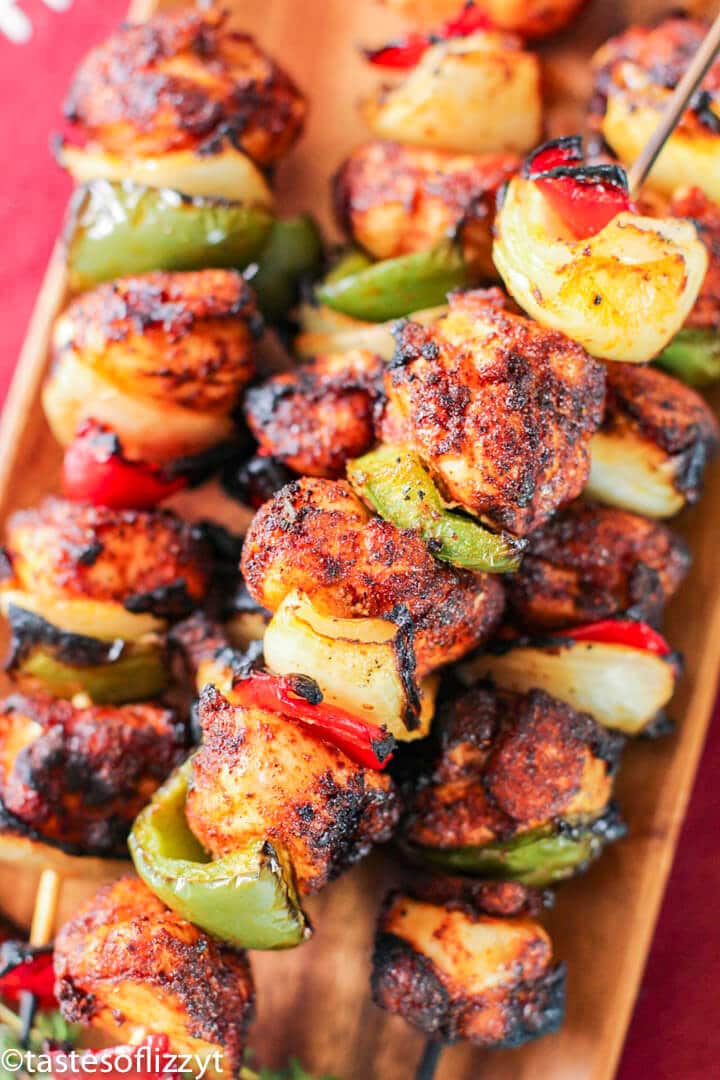
- Adding Vegetables: For a complete meal on a stick, integrate vegetables directly onto your skewers. Chunks of bell peppers (any color), red onion, zucchini, cherry tomatoes, or even pineapple can be threaded alongside the chicken. Just ensure the vegetables are cut into pieces that will cook in roughly the same amount of time as the chicken, or pre-blanch harder vegetables like potatoes or carrots.
Conclusion
From the precise slicing of chicken to the aromatic application of your chosen rub and the watchful eye over the grill, creating delicious bbq rubbed chicken skewers is a truly rewarding culinary endeavor. These skewers offer a fantastic blend of convenience, flavor, and versatility, making them an ideal choice for any grilling occasion. By understanding the fundamentals of preparation, mastering your grilling technique, and embracing creative substitutions, you’re well-equipped to turn simple ingredients into an unforgettable meal. So, fire up your grill, thread your chicken, and get ready to enjoy the ultimate summer feast!
